News

Presentations and documentation grass day 2025

Thank you for your participation in Grass Day 2025 During Grass Day 2025, several fascinating presentations were given and a wide range of exhibitors were ready to share their knowledge and expertise on current topics in grassland management, fertilisation, weed control and projects such as ManureMatch, GrassSat and Herbgrass. We invite you to use the links below to access the presentations and [...]

Presentations and documentation grass day 2025 Read More »

Presentations Agriculture Research Open Day 2025

Thank you for your participation in the 13 August summer meeting On Wednesday 13 August, the Agricultural Research and Training Centre organised a pop-up summer meeting on crop protection, livestock and weed control. We thank all participants for their attendance and input.The presentations of the different sessions can be accessed via the link below: Click here to access presentations

Presentations Agriculture Research Open Day 2025 Read More »

Your voice counts: Help evaluate new PAS measures with potential for your sector.

On 28 August, 2 September and 24 September, the RAMMONIA project partners will organise a workshop for livestock farmers, stakeholders and other stakeholders from the poultry, pig and cattle sectors. Aim of RAMMONIA project and workshop The RAMMONIA project aims to broaden the choices for livestock farmers in ammonia emission-reducing measures from livestock buildings. During the workshop, the working principles of emission-reducing

Your voice counts: Help evaluate new PAS measures with potential for your sector. Read More »

rundvee

Share your ideas for reducing ammonia emissions in the dairy sector!

The dairy sector faces a major challenge. Every dairy farmer must reduce at least 5% of ammonia emissions by 31 December 2025. This can be done by applying measures from the AERM (PAS) list, by reducing the number of animals, or by a combination of both. By 31 December 2030, the reduction should even reach 25%. In this context, within the Rammonia project, we want to reduce your

Share your ideas for reducing ammonia emissions in the dairy sector! Read More »

More efficient pig farm management through individual monitoring of sows and fattening pigs thanks to PigID project

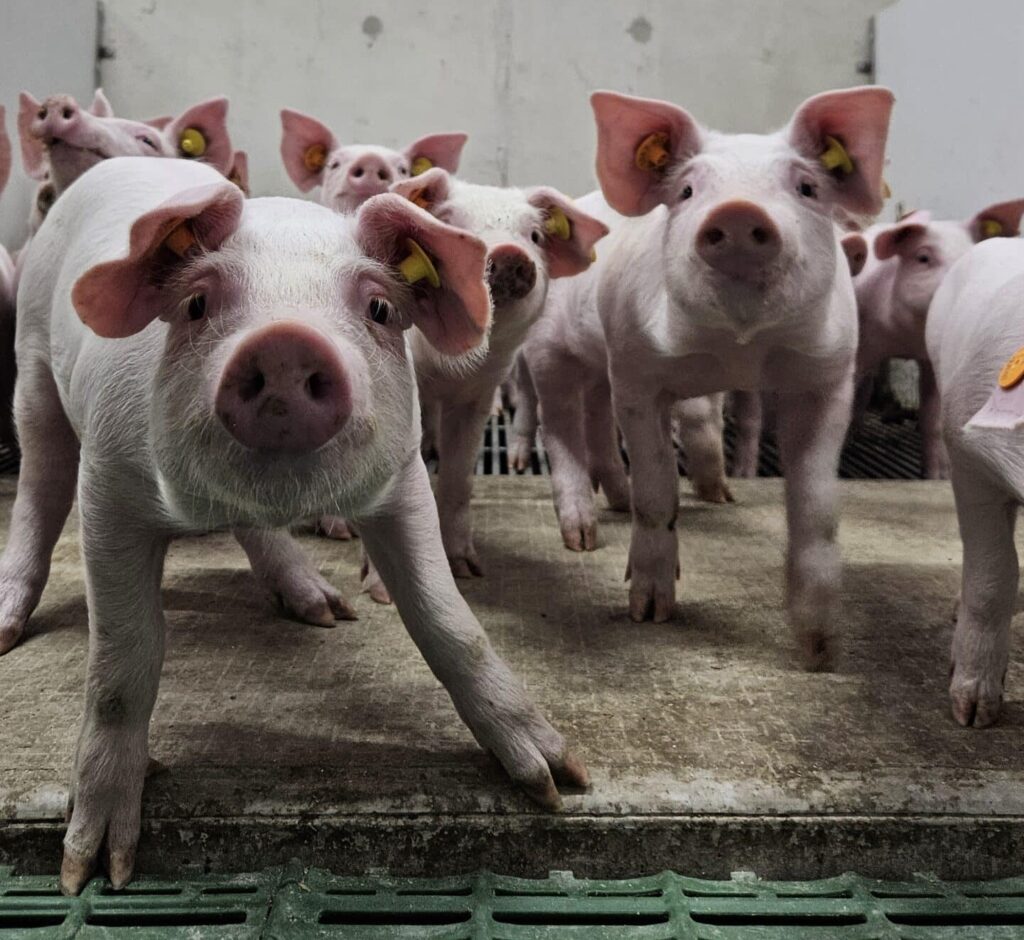
Are you a pig farmer and considering starting individual monitoring via electronic ear tags? Then consult the PigID practical guide now, which explains step by step what is needed to get started with this. This guide was developed as part of the PigID project, working with pig farmers to discover which (individual)

More efficient pig farm management through individual monitoring of sows and fattening pigs thanks to PigID project Read More »

Knolcyperus

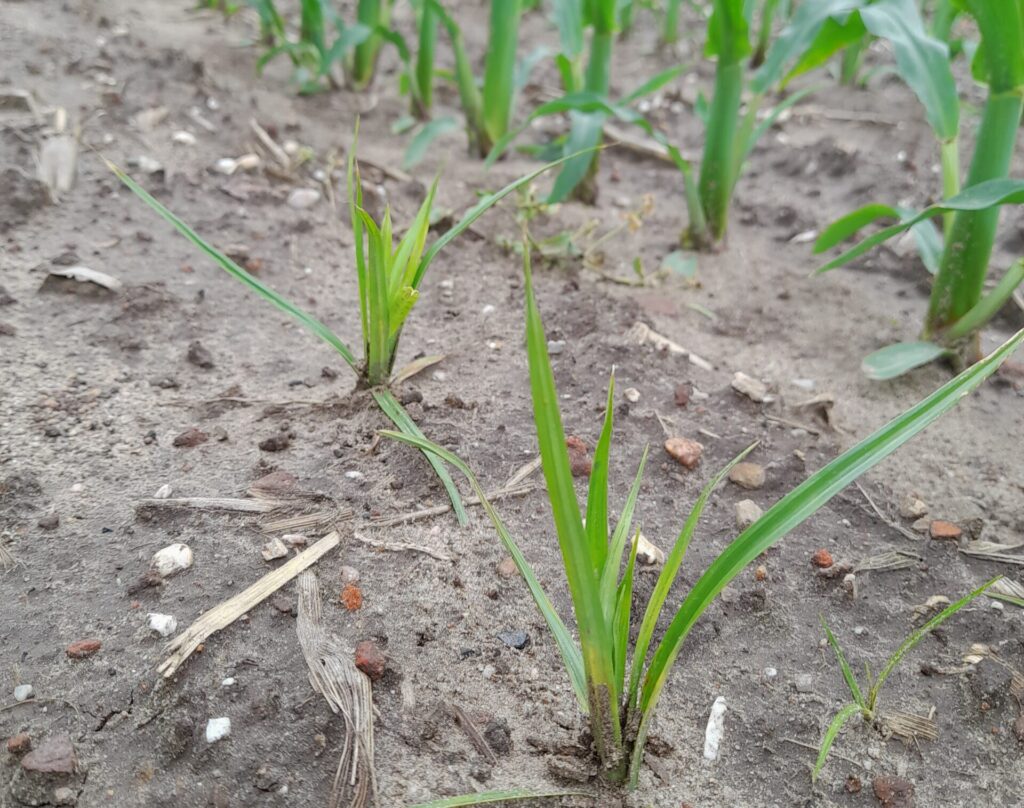
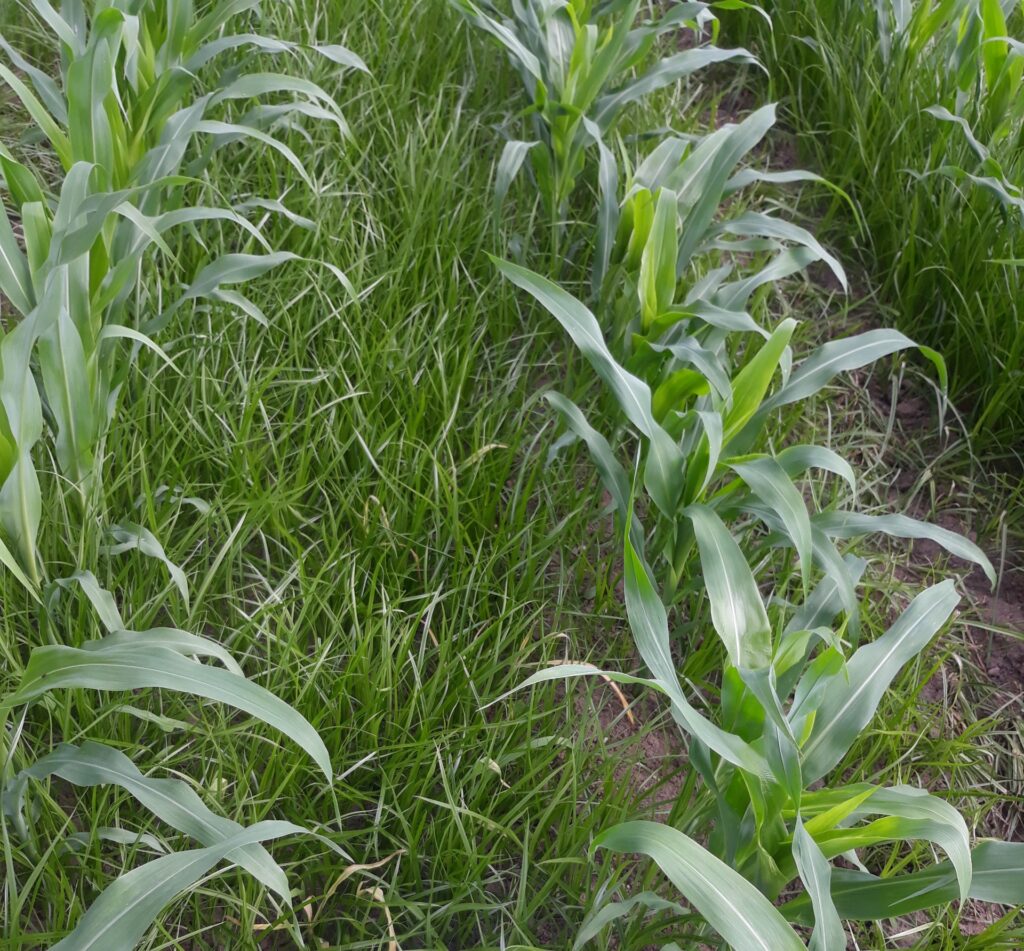
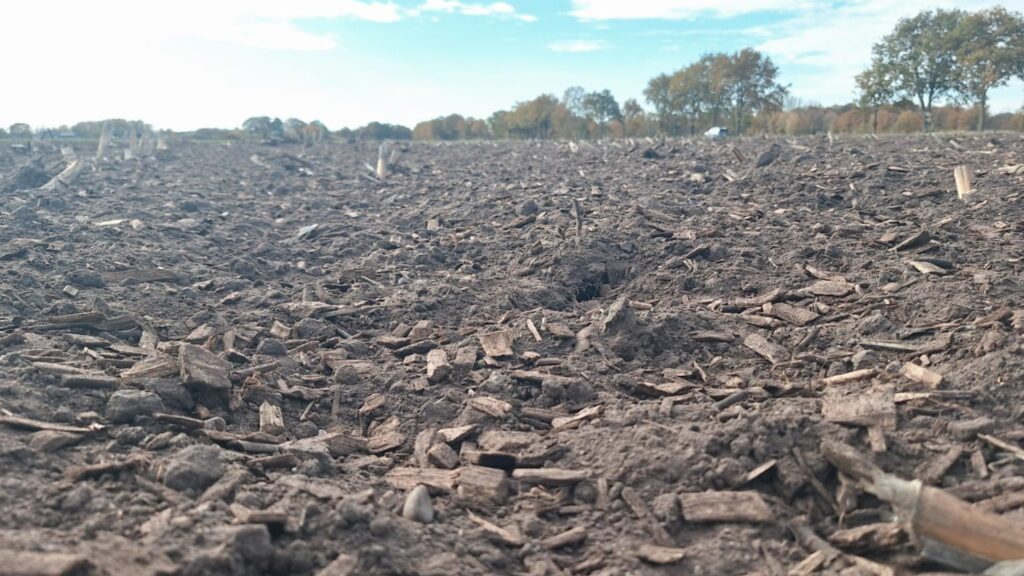
Tuber cyperus: a pest in Flanders for 40 years and still relevant today

At first glance, tubercyperus appears to be a harmless grass-like plant, but appearances can be deceiving. This weed has been a persistent problem in Flemish agriculture for some time and is still spreading. It can crowd out your crops, reduce yields and even restrict your crop rotation. In Flanders, tuber cyperus first appeared in

Tuber cyperus: a pest in Flanders for 40 years and still relevant today Read More »

Climate scan on your pig farm?

How can I make my business more resilient to the effects of a changing climate? It is a question that every entrepreneur has probably asked himself several times in recent months. Many farmers and horticulturists would like to take climate measures, but often do not know where to start and what is economically feasible. The Klimrek climate track can change this! 25 pig farmers can meet 1-on-1

Climate scan on your pig farm? Read More »

Use of green cover for an integrated approach to water quality

Over the past three decades, farmers, including from a policy perspective, have already implemented many interventions that have improved water quality, although this improvement has stagnated over the past 10 years. On sandy soils, a decrease in organic matter content is also observed. Boosting this again will have a positive impact on soil quality, the water retention capacity of

Use of green cover for an integrated approach to water quality Read More »

Get in touch

Contact Us